Land Banking: Taking Responsibility for Properties That Need a Path Forward
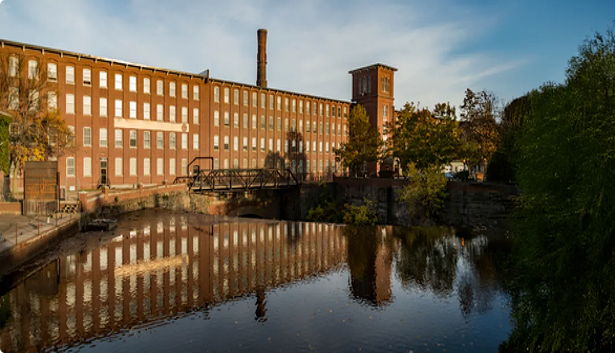
Some properties cannot move forward through planning, funding, or technical assistance alone. They may be abandoned or functionally obsolete. Ownership may be complicated. A property may require stabilization before a developer can reasonably take it on. A municipality may have a clear vision for a site but lack the capacity or appropriate mechanism to hold and reposition it. In other cases, years of uncertainty and disinvestment have left an otherwise important property without a clear path back to productive use.
That is where land banking can make a difference.
As Maine’s statewide land bank, Maine Redevelopment has the statutory authority and flexibility to acquire, hold, manage, stabilize, and reposition properties when strategic intervention can help unlock their future potential. Our objective is not simply to acquire real estate. It is to use property ownership as a redevelopment tool—taking responsibility for difficult sites, addressing barriers, and preparing them for productive reuse.
More Than Holding Property
Land banking creates something that can be difficult to find in complicated redevelopment projects: time and flexibility.
Traditional real estate transactions often depend on a property being ready for the market. But many of the properties Maine communities are trying to reactivate are not ready. They may require environmental work, legal due diligence, building stabilization, infrastructure planning, community engagement, financing, or simply time to establish a viable redevelopment strategy.
Strategic land bank ownership can provide an opportunity to address those issues before a property is expected to succeed in the private market.
Depending on the property and community need, Maine Redevelopment’s land banking role may include:

- Property acquisition — acquiring strategically important properties when ownership can help remove barriers to redevelopment.
- Due diligence — evaluating legal, financial, environmental, physical, and redevelopment considerations before and during ownership.
- Property stabilization — taking steps to protect buildings and land, manage immediate risks, and prevent further deterioration.
- Responsible stewardship — actively managing properties while they are held and protecting the public resources invested in them.
- Redevelopment planning — working with municipalities, community stakeholders, and partners to establish a realistic strategy for future reuse.
- Repositioning for the market — addressing barriers that have prevented productive reuse and preparing properties for transfer to an appropriate future owner.
- Strategic disposition — transitioning properties out of the land bank in a manner that advances community and redevelopment objectives.
Throughout that process, Maine Redevelopment applies disciplined acquisition, lifecycle management, risk assessment, and stewardship practices to ensure that land banking remains focused on properties where intervention can create meaningful community impact.
Tackling Properties Others Leave Behind
Maine Redevelopment’s land bank is not intended to become a permanent collection of properties.
Acquisition is a means to an outcome—not the outcome itself.
Before taking on a property, we consider its readiness, risks, potential community impact, long-term redevelopment prospects, and alignment with local and statewide priorities. Once acquired, our role is to responsibly steward the property while working toward an achievable next chapter.
That next chapter will look different from property to property. A former industrial site might become a new center of economic activity. An obsolete building might find new life through adaptive reuse. Another property could support housing, commercial activity, or broader community revitalization.
Other Programs
See All Programs

Let’s Get Properties Back to Work
We’re all about the “re”—rethink, restart, reimagine, renew. Whether you have a potential project or want to be a prospective partner in the work, we’re excited to talk with you.