Turning Potential into Prosperity
Revitalizing distressed properties for Maine communities.
Building a Better Maine
Revitalizing abandoned, contaminated or obsolte properties into thriving assets.
Our Mission
Maine Redevelopment partners with communities to revitalize properties and reimagine their potential for Maine’s future.
Our Vision
We are catalysts for transformation working alongside communities to build a more vibrant and resilient future for generations.
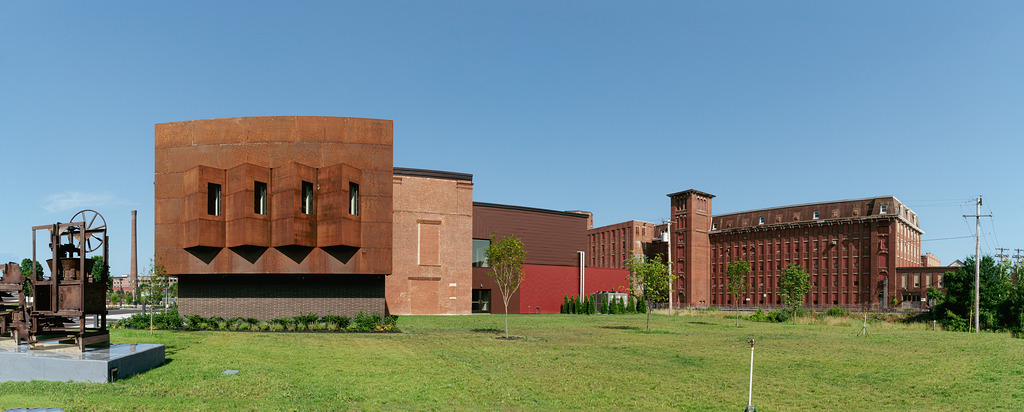
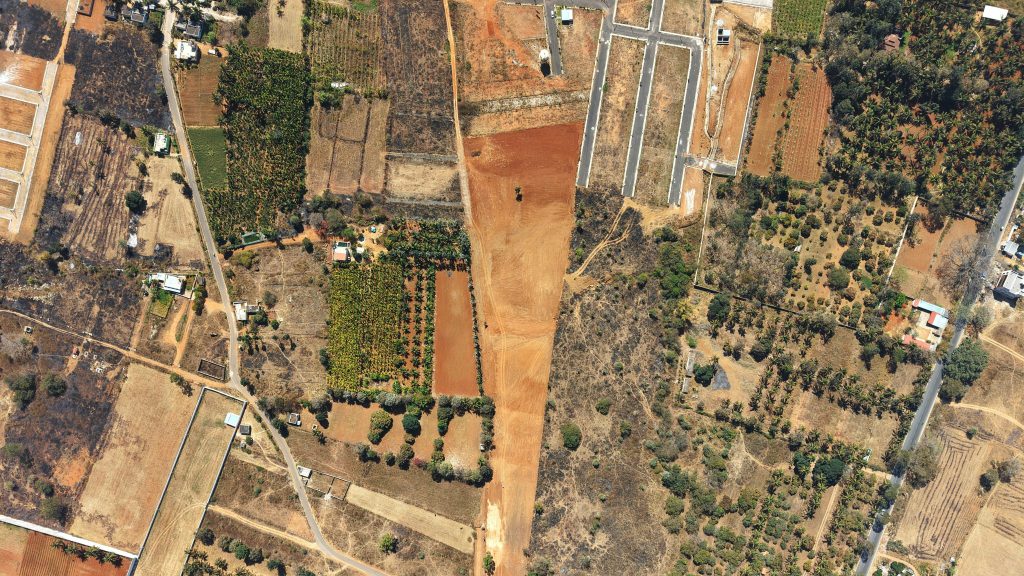
Revitalizing Properties For Maine

Our Guiding Principles

Every Maine community has a next chapter—we work in the present to make the future possible.

We will try new things and not avoid hard things—we act before certainty exists, to pilot, test, and refine solutions in real places, learning through action.

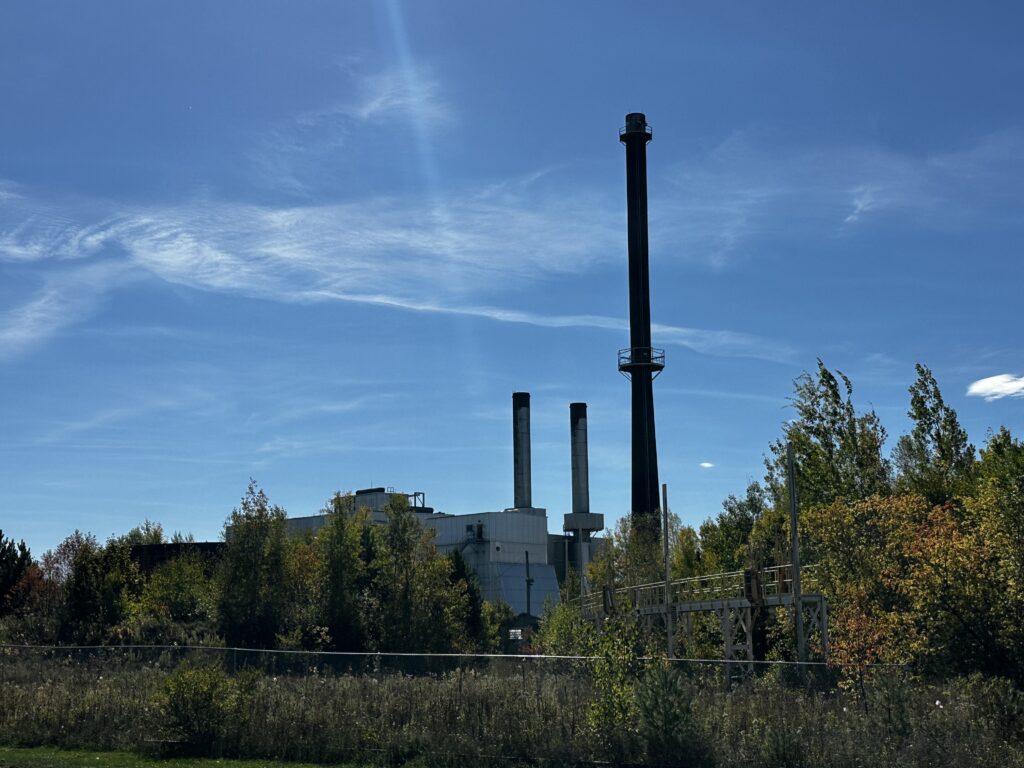
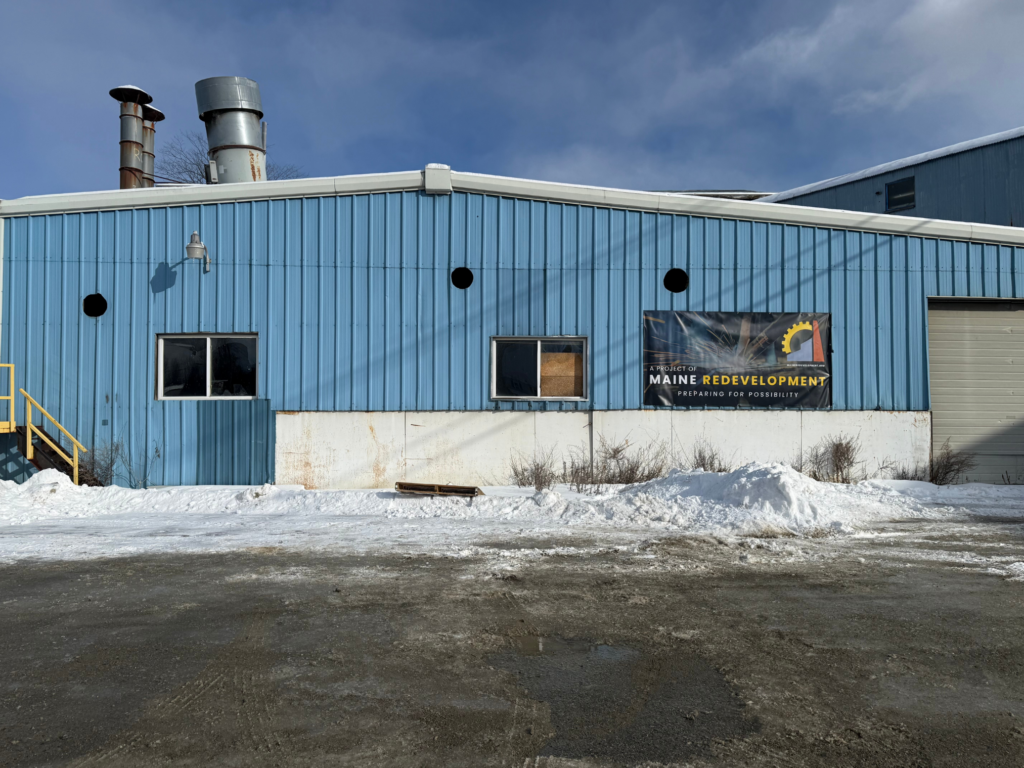
We are a dirt shop, taking responsibility for sites others leave behind—we focus on property more than policy. Complex, unconventional, and overlooked properties are our work.

Community is the outcome—redevelopment is not just about buildings. It is about strengthening place through partnership at every scale.

Progress requires showing up—we continually show up as an organization and approach the work with patience and perseverance.
Whatever It Takes
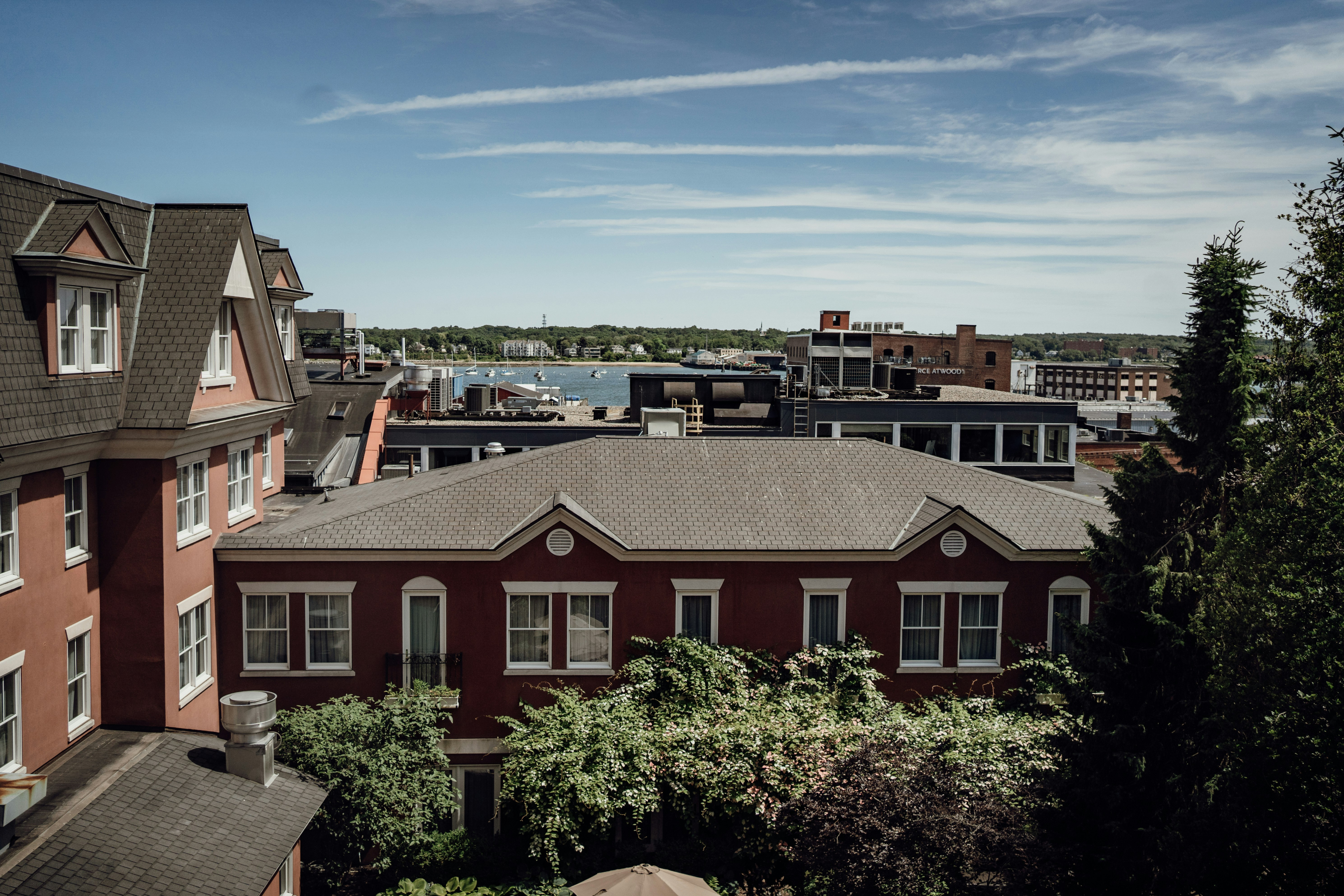
Our Team
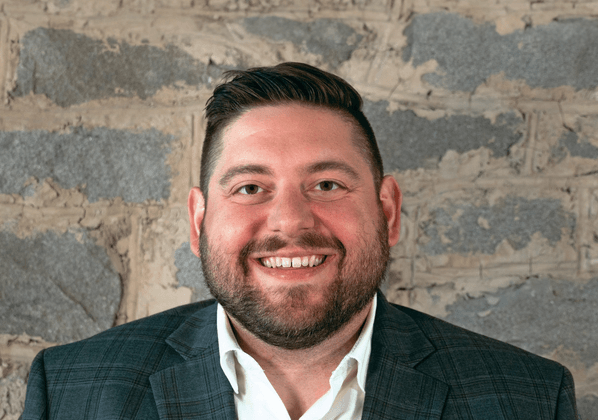
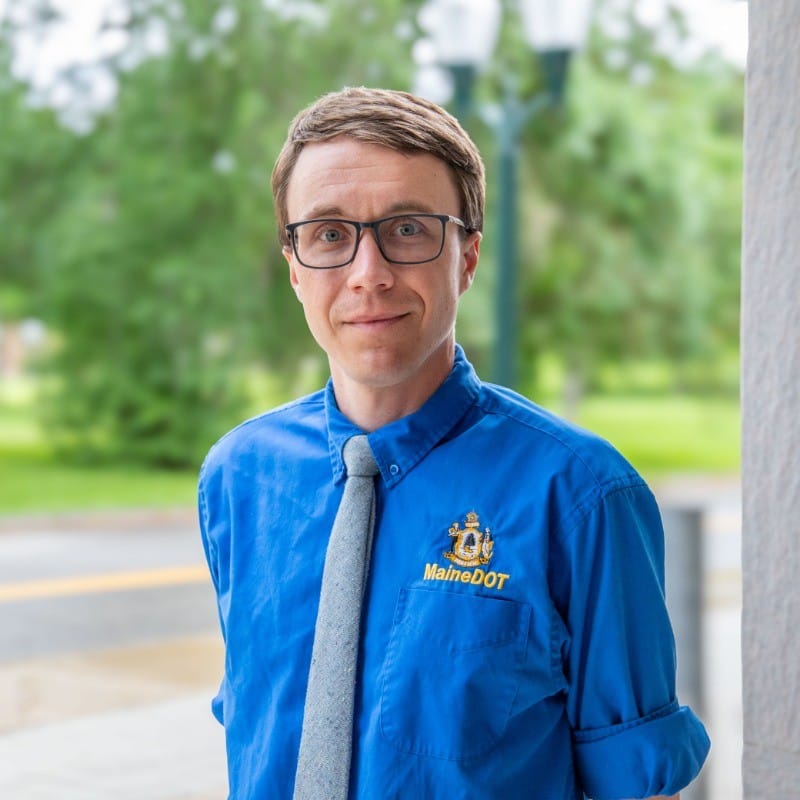
Scott LaFlamme
Executive Director
As Executive Director of Maine Redevelopment, I am honored to help lead an organization focused on strengthening Maine communities through thoughtful redevelopment and long-term stewardship. I’ve always believed that community is an extension of family, and that belief has shaped...









Frequently Asked Questions
Maine Redevelopment is Maine’s statewide redevelopment organization, helping communities unlock the potential of vacant, underused, environmentally challenged, and obsolete properties. Through partnerships with municipalities, nonprofits, developers, state agencies, and other organizations, we remove barriers to redevelopment and help prepare properties for future investment.
A land bank is a public or nonprofit organization that acquires, holds, manages, and returns vacant, abandoned, tax foreclosed, or underused properties to productive use. Land banks help communities remove legal, financial, and environmental barriers so properties can be redeveloped for public benefit.
Maine Redevelopment works with a wide range of properties that have redevelopment potential, including:
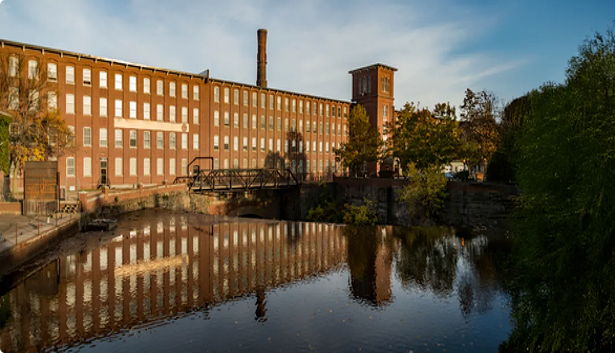
- Former mills and factories
- Mixed use developments
- Vacant and underutilized schools
- Energy and utility facilities
- Commercial and retail properties
- Office buildings
- Residential properties
- Surplus public properties
- Brownfields and environmentally challenged sites
- Tax foreclosed and abandoned properties
- Historic buildings
- Industrial and manufacturing facilities
- Waterfront and waterfront industrial properties
If a property presents a redevelopment challenge or an opportunity to strengthen a community, we’d love to have a conversation.
Redevelopment is the process of transforming vacant, underused, obsolete, or environmentally challenged properties into productive places that meet today’s community needs. Redevelopment can include renovating existing buildings, cleaning up contaminated sites, adapting historic structures for new uses, or preparing land for future housing, businesses, parks, or other community assets.
Every project is different, so our support is tailored to the needs of each community. Depending on the project, Maine Redevelopment may provide technical assistance, redevelopment planning, brownfield guidance, grant support, property acquisition assistance, community engagement, developer recruitment, project feasibility analysis, and connections to funding and financing resources.
A brownfield is a property where redevelopment may be complicated by the presence, or potential presence, of environmental contamination. Brownfields can include former mills, factories, schools, gas stations, industrial facilities, and commercial buildings. With proper assessment and cleanup, these sites can become housing, businesses, parks, or community assets.
Unlike many Maine-based economic development organizations that focus primarily on business attraction, Maine Redevelopment specializes in solving difficult real estate challenges. We help communities prepare properties for investment by addressing environmental, legal, financial, and redevelopment barriers that often prevent projects from moving forward.
Our services are available to municipalities, counties, regional organizations, nonprofits, economic development organizations, and, in some cases, private property owners and developers working on projects that provide a public benefit.
A Phase I Environmental Site Assessment (ESA) is a professional evaluation that identifies whether a property’s current or historical uses may have created potential environmental concerns. It includes a review of historical records, regulatory databases, site conditions, and a site inspection to identify potential environmental risks.
A Phase I ESA does not include testing of soil, groundwater, or building materials. If potential environmental concerns are identified, a Phase II Environmental Site Assessment may be recommended to conduct sampling and further investigation.
A Phase I ESA is often an important first step in redevelopment because it can:
- Reduce uncertainty before purchasing or redeveloping a property
- Support grant, financing, and lending opportunities
- Help protect purchasers from certain environmental liabilities when completed prior to acquisition
- Identify potential environmental concerns early in the redevelopment process
- Support informed planning and redevelopment decisions
The first step is a conversation. Contact our team to discuss your property, redevelopment challenge, or community project. We’ll help determine whether Maine Redevelopment can assist directly or connect you with the right resources and partners.
Our Programs
See All Programs
Let’s Get Properties Back to Work
We’re all about the “re”—rethink, restart, reimagine, renew. Whether you have a potential project or want to be a prospective partner in the work, we’re excited to talk with you.